
How to choose the right ski boots
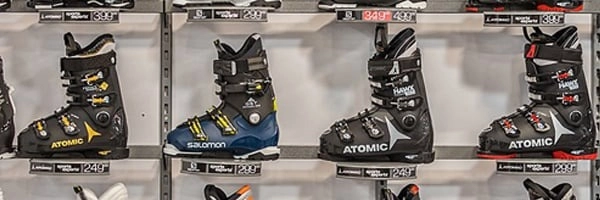
Finding ski boots that fit your feet is an essential part of any ski trip.
The quality of your footwear can ‘make or break’ your time on the snow, so it’s worth spending some time learning how to choose the right option.
The information in this guide has been tailored to suit beginners, intermediates and advanced skiers. It covers how your ski boots should fit, what to look for in a quality boot and takes a look at renting vs buying.
Why are ski boots important?
· If your ski boots are not comfortable, you will spend your days on the mountain in pain. Not the best way to enjoy skiing.
· Having poorly fitted ski boots can lead to lack of control over the skis and make learning extremely difficult.
· Choosing a ski boot that’s not designed for your ability level will make turning very challenging.
· Having a ski boot with a ‘sloppy’ fit can lead to a broken ankle. Trust me, I’ve seen it far too many times.
How should ski boots fit?
1. Ski boots should have a ‘snug’ fit that follows the contours of your legs and feet.
2. Your foot, ankle and calf should not be able to move around inside the boot. However, you should be able to wiggle your toes.
3. Your toes should gently press against the end of the ski boot.
4. Both heels should be pressing against the back of the boot when driving forward with your shin.
5. You should feel supported by the footbed underneath the arches of your feet.
6. You should not feel any pressure points.
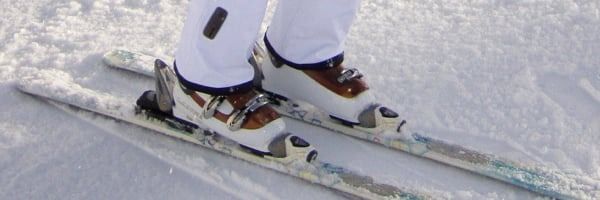
What aspects to look for when choosing a new ski boot
Size
Ski boot size is measured in ‘mondopoints’. It’s a measurement of your foot length in centimeters. You can obtain your mondopoint size by measuring from the back of your heel to your longest toe. Alternatively, you can find a shoe size conversion chart here.
Flex
Ski boot flex refers to how easily you are able to flex the boot when driving forward with your shin. More flexible boots tend to be more comfortable and forgiving, while stiffer boots are stable at speed.
Here are some basic guidelines for ski boot flex based on ability level:
· Beginner: 60-80 (men), 50-60 (women)
· Intermediate: 80-100 (men), 60-80 (women)
· Advanced: 100-130 (men), 80-110 (women)
· Expert/Race: 130+ (men), 110+ (women)
Last (Width)
Finding a balance between comfort and performance is key when deciding on forefoot width. Look for a width that avoids pressure points, but still fits snug enough to ensure control. Here are some guidelines based on average foot width:
· Narrow: 96-98mm
· Medium: 98-102mm
· Wide: 102-106mm
Volume
The volume of a ski boot should be based on the overall size and profile of your lower leg, ankle and feet. Boots can be designed in low, medium or high-volume. Focus on choosing a volume that provides a snug fit without any pressure points.
Look, color & design
Focusing on how a ski boot fits and feels is way more important than how it looks. Just make sure you find the right boot for your ability and foot shape. The best way to look good is by skiing well, not by getting ‘flashy’ gear.
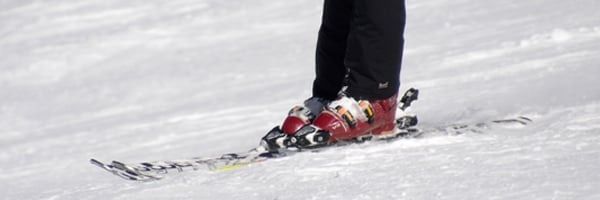
Buying vs Renting
My advice? If you have been skiing before, know that you enjoy skiing and plan to ski again in the future; you should definitely buy your own ski boots.
Renting is great if it’s your first trip and you want to find out if you enjoy skiing or not. However, rental boots are typically uncomfortable, poor quality and not designed for your specific foot shape.
It’s definitely worth the investment in a quality pair of ski boots that are optimal for your anatomy and performance. It will drastically improve your ability on the slopes and ensure you’re comfortable at all times.
Your Question: Should I choose gloves or mittens?
A great question from our community last week was about how to decide between gloves and mittens. The best way to answer this question is by weighing up the pros and cons of each option:
- Ski glove positives: Great mobility, easy to adjust ski bindings, can make hand signals.
- Ski glove negatives: Colder than mittens, can be hard to put on/take off.
- Mitten positives: Warmer than gloves, often have better waterproofing (less seams), easy on/off (important for kids).
- Mitten negatives: No finger dexterity, makes adjusting bindings or rooting through pockets challenging, often too warm for spring conditions.
Take a moment to check on your general level of hand warmth, potential future ski conditions and how important dexterity is to your life on the snow. There's no right or wrong answer!
What happens next?
Check out our next article on ‘how to choose the right skis’. It’s another informative guide incorporating advice from a ski professional about how to choose the best planks for your ability, style and ambitions.
In the meantime, why don’t you shoot us any questions you have about ski boots? Or maybe you are intereted to join our next ski adventure in Swiss alps? We always love to hear from you!
See you on the slopes! 🚠
Ski Hostel Team