How to Choose the Right Skis
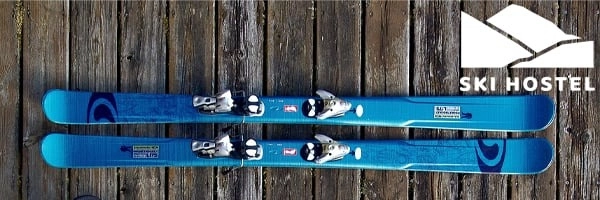
Strapping on the correct pair of planks is vital -
Choosing skis can feel like an overwhelming decision. So many variations, shapes, sizes and styles. Many brands claim they have the best option for everyone, but in reality every individual is best suited to a different ski.The information in this article aims to clear up some of the confusion around ski choices. We have provided a brief summary of what to look for when buying skis, how to ensure you make the right choice for your skiing style and share a few thoughts about buying vs. renting. You also want to make sure you stick around until the end for a very special announcement!☃️
Why is choosing the right skis important?
- You need to select skis that are the right length for your height. Too short and you'll be out of control, too long and turning might be very challenging.
- The type of skis should match the terrain you will be skiing. Powder skis, piste skis, park skis and all-mountain skis all have unique attributes.
- Choosing skis that match your ability level is essential. Expert skis are stiff enough to handle speed, whilst beginner skis are forgiving and flexible.
- Price should definitely be a consideration. Spending a fortune on skis is unnecessary for most holidaymakers. Save your money for après-ski!
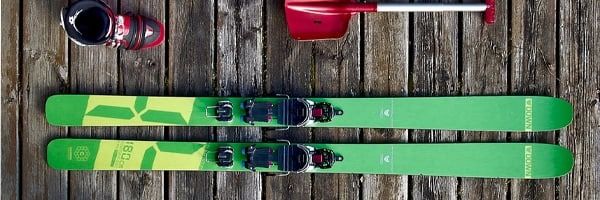
What to consider when choosing skis
LengthThe best ski length for the average skier is somewhere between the nose and forehead. This is not the most accurate recommendation but provides a ballpark figure that encompasses most skiers.
- Skis on the shorter end of this spectrum may be optimal for beginners. It will give an enhanced sense of control when turning and reduce the risk of crossing the skis.
- Skis around forehead height or longer are often preferred by high level skiers. The added length improves stability and control at high speed.
FlexibilityMost 'piste skis' have a strong correlation between flexibility and skiing ability level.
- Beginner skis tend to be more flexible. It makes the skis easier to manoeuvre and provides a feeling of playfulness on basic slopes.
- Advanced skis are often stiffer. The added rigidity provides a feeling of power through variable snow and increased stability at high speed.
Turn RadiusThe 'turn radius' (sometimes known as 'sidecut radius') refers to natural arc a ski makes when performing a turn. A ski with a long radius would perform a wide and sweeping turn arc, while a short radius ski would perform a quick and snappy turn shape.The turn radius of your skis should depend entirely on your preferred type of terrain. Short turn radius skis will be easy to move through tight spaces, while long radius skis are great for carving wide groomers.It's worth noting that most standard 'all-mountain' skis offer a medium radius of 16-20 meters. Aiming for somewhere in that ballpark will meet the needs of most beginners and intermediates. Waist WidthThe term 'waist width' refers to the width of your skis underfoot. It's measured in millimetres and has a massive impact on how the performs in different conditions.It's a general rule that wide skis are best for powder due to their increased floatation ability. Narrow skis are considered better for hard-packed snow since it's faster to change edges when transitioning between turns.Most skiers will be content with a 'medium' waist width that is predominantly designed for piste skiing. However, advanced riders may look to include 2/3 sets of skis in their 'quiver', with each option having a different waist width that's designed for specific conditions.Here is a brief overview of how different waist widths are designed for specific conditions:
- <85mm - Hardpacked/Groomed
- 85-95mm - Groomed/All-Mountain
- 95-110mm - All-Mountain/Powder
- 110mm+ - Powder
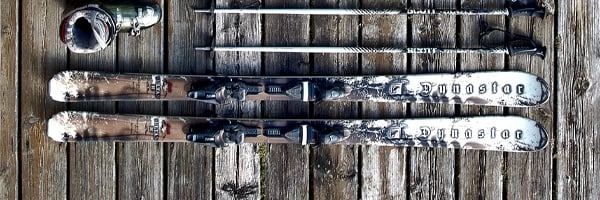
Should I buy or rent skis?
It's probably worth adding some honest perspective at this stage. Skis are probably the least important piece of equipment if you're a beginner. However, getting the right setup is crucial for advanced/expert skiers.Therefore, I would advise waiting a few years before splashing out on your own pair of skis. The ski you choose will be highly dependent on your ability level and will need to be changed when you progress from beginner-intermediate-advanced. Once you've mastered solid technique, can use the majority of the mountain and understand your favourite snow conditions; it might be worth the investment. However, stick to rentals for the first few years and maintain your focus on performance rather than equipment.
See you on the slopes! 🚠
Ski Hostel Team